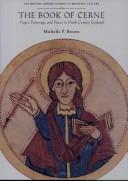
The Book of Cerne
Description
The Book of Cerne: Prayer, Patronage and Power in Ninth-Century England is the first volume in The British Library Studies in Medieval Culture, an important new series of monographs and multi-author volumes taking manuscript studies as a focus research in all aspects of medieval culture. In this full-length study of the Book of Cerne (Cambridge University Library, MS Ll. 1. 10), the first since the edition of almost a hundred years ago, Michelle P. Brown invites a fresh consideration not only of dating and authorship of the manuscript, but also of its purpose and content. The Book of Cerne is a prayerbook (meditating upon the themes of salvation and the communion of saints) made for a patron whose cultural tastes embraced Celtic, Anglo-Saxon, Carolingian, Roman, and Byzantine materials. With its complex interplay of text, script and image, it offers a fascinating insight into Insular culture and is the only surviving illuminated manuscript which can be firmly attributed to the powerful Anglo-Saxon kingdom of Mercia. At the time of the Book of Cerne's production, around 820-840, princes and prelates were vying for power in Mercia and the Vikings were knocking, less than politely, at the door. This comprehensive study offers a learned and informative synthesis of codicology, iconography and the devotional culture of the kingdom in that troubled century, and places the manuscript within the broader context of the book production and prayer life of its time. Extensively illustrated with reproductions from the Book of Cerne and other contemporary manuscripts and artefacts, this is an important new publication for all researchers of Anglo-Saxon history and culture, students of palaeography, manuscript art and devotional history and anyone with a serious interest in the methodology of manuscript studies.
Subjects
Related Books